The Honest Maths of a Garden Office (and the Loft That Isn't a Bedroom)
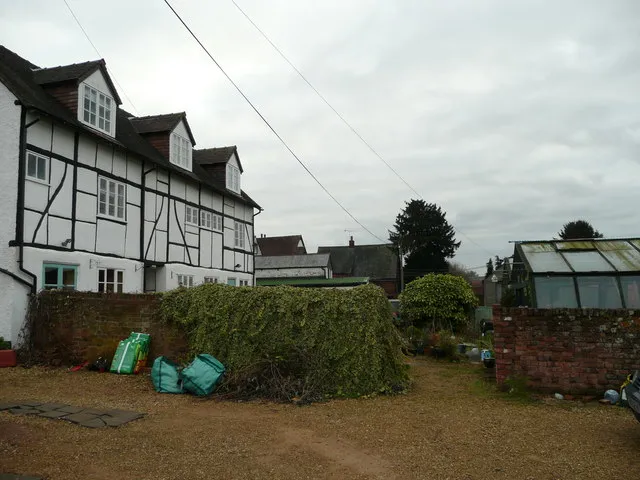
Photo: Jonathan Billinger, CC BY-SA 2.0, via Wikimedia Commons
There is a particular conversation that happens in the garden of every old house with a decent patch of lawn. One person wants a studio at the bottom of the garden. The other wants a third bedroom. Both are looking at the same square metres and imagining a different life. The house, meanwhile, is quietly doing its own maths.
As of 2026, working from home is no longer a novelty, but it is still shaping what buyers want. A room that can take a desk, a door that can shut, and a bit of separation from the kitchen table are now genuine selling points. At the same time, the cost of moving has not gone away, so many owners are asking whether they can add space rather than buy it. In a character home, that question is rarely straightforward.
The romance of the garden office
A garden room has a powerful hold on the imagination. It is quiet, it is separate, and it comes with a view of the border. It also has a way of looking cheaper in the brochure than it does in the ground. A basic insulated garden office might start around £12,000 to £20,000, but that is before the base, the electrics, the heating, the landscaping and the path that stops you wading through mud in February. A well-built room with proper insulation, double glazing and a decent roof can easily reach £30,000 or more.
Then there is the question of what it actually is. If it is a home office, it may be permitted development in England, subject to height and siting limits. If it is a self-contained annexe, a holiday let or a separate dwelling, the planning picture changes entirely. In conservation areas, the rules are tighter, and some councils have removed permitted development rights through Article 4 directions. Wales, Scotland and Northern Ireland have their own regimes. The safe assumption in 2026 is not 'it is only a shed' but 'check with the local planning authority before you order the kit'.
The conservation-area catch
Conservation areas are not museums, but they are not free-for-alls either. The point is to protect the character of the area, and that includes things like roof lines, materials and the amount of built form in gardens. A garden room that sits behind a hedge and uses muted colours is usually less controversial than a glass cube visible from the street. But 'usually' is doing a lot of work. Some conservation areas have specific guidance on outbuildings, and some have Article 4 directions that remove the permitted development rights you might otherwise have relied on.
Listed buildings are a separate matter. If the house is listed, any freestanding structure within its curtilage may need listed building consent, even if it is not physically attached. That is not a reason to give up, but it is a reason to talk to a conservation officer early. The same applies to lofts. In a listed building, a roof extension or even a large rooflight can affect the character of the building. Consent is not a formality.
The loft conversion and the bedroom that may not count
A loft conversion feels like the obvious answer to the third-bedroom question. It uses space you already have, it does not eat the garden, and it can add value. In an older house, though, the roof is often the most delicate part of the structure. The cost of a proper conversion — with a structural floor, a safe stair, insulation and a compliant fire route — can run from £40,000 to £70,000 depending on the house and the area. A dormer or a mansard will cost more, and in a conservation area it may not be allowed at all.
The bigger issue is whether the new room counts as a bedroom. Estate agents can call it a bedroom if it has a window and a door, but a mortgage valuer and a building control officer will want more. If the ceiling height is too low, the stair is too steep or the fire escape is not adequate, it may be a store room with a bed in it. That does not make it useless, but it does mean you should not pay for a third bedroom if the house is only gaining a very nice box room.
The resale maths
In general, an extra bedroom adds more conventional value than a garden office. That is not because buyers are foolish, but because bedrooms are counted in the language of mortgages and comparables. A four-bedroom house is a different category from a three-bedroom house, even if the fourth bedroom is small. A garden office is a lifestyle asset. It may make the house easier to sell to a specific buyer, and it may justify a premium in an area where working from home is common, but it is not guaranteed to appear in the valuation.
That said, the calculation is not purely financial. If you are staying for ten years, the garden office may be the difference between loving the house and resenting it. A third bedroom that is never used is not an asset; it is a spare room with a hoover in it. The question is not which is more valuable in the abstract, but which one your house can carry without looking like it has been bolted on.
When a shed is an asset
A garden room earns its keep when it is properly built, discreetly sited and genuinely usable in winter. It should have insulation, power, a solid base and a roof that does not need attention every autumn. It should not be so large that it dominates the garden or so close to the boundary that it annoys the neighbours. If it can double as a guest room, a studio or a quiet place for a teenager, so much the better.
It also helps if it is reversible. A timber-framed room on a screw-pile base can be removed if tastes change. A concrete bunker with underfloor heating and a bar is a longer commitment. In a character home, the best additions are the ones that feel like they belong without pretending to be original. A simple shed with a decent desk and a view of the apple tree is often more charming than a glass pavilion with a mood board.
When it is just an expensive shed
A garden office stops being an asset when it is a damp box with a cable trailing across the lawn. It stops being an asset when it needs planning permission that it does not have. It stops being an asset when it is so specific to your hobby that no future buyer would want it. And it stops being an asset when the cost of building it would have been better spent on the roof, the windows or the boiler — the unglamorous things that keep an old house standing.
The same is true of the third bedroom. If the loft conversion has eaten the roof space, blocked the light or created a room that is only usable for three months of the year, it is not really a bedroom. It is a very expensive compromise. Old houses are generous in some ways and stubborn in others. The trick is to ask what yours can actually carry, not what the brochure says it should.
So which is it? If you need a bedroom, buy a house that has one, or do the loft properly. If you need a place to work, build the best shed you can afford — and keep it small enough to be charming. The house will tell you which it is. You just have to listen before you order the timber.