The Cosy Trap: Why a One-Bed Cottage Is Not Automatically a Starter Home
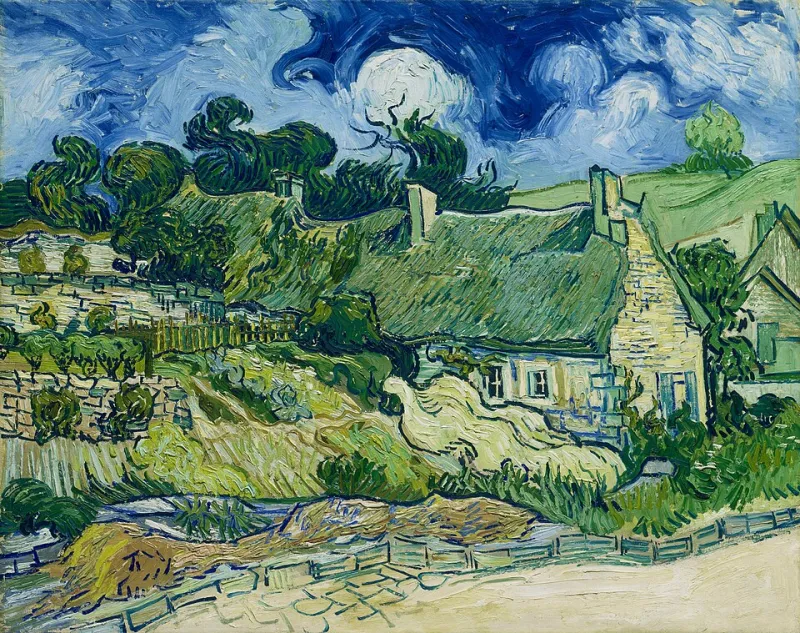
Photo: Shixart1985, CC BY 2.0, via Wikimedia Commons
The fantasy has a floor plan
There is a particular kind of one-bedroom cottage that does something unreasonable to the buyer's brain. It has a low front door, a window seat, a garden the size of a decent rug, and an asking price that makes a studio flat look rude. You picture winter evenings, a dog on the flagstones, and a life that is somehow simpler and more intentional than the one you have now.
Then you look at the floor plan. Forty-five square metres. A bedroom you can barely turn around in. A kitchen that is technically a corridor. And a question that does not appear in the estate agent's brochure: is this a starter home, or a beautiful dead end?
The honest answer is that it depends. Not on how much you love it. On what you are asking it to do.
Forty-five square metres is a relationship test
A small cottage is not just a smaller version of a normal house. It is a different way of living. There is nowhere to put the vacuum cleaner except the hall. The boiler cupboard is also the airing cupboard, the coat cupboard and the place where the ironing board lives. If you work from home, your desk is in the room where you also watch television, eat dinner and host your entire social life.
For one person, that can be liberating. For two people, it is a negotiation. Add a dog and it becomes a logistics exercise. None of this makes the cottage bad. It makes it specific.
When the tiny cottage is a genuinely good move
There are clear scenarios where a one-bed character home makes sense.
You are buying alone, and you plan to stay alone for a while. Not forever, but long enough that the lack of a second bedroom is not an immediate problem. You want a home, not an investment vehicle, and you are comfortable with the idea that the next move may be sideways rather than up.
You are in a market where one-bed houses are normal. In some towns, small cottages are a recognised first step and sell quickly to other solo buyers, downsizers or weekenders. In others, they are an oddity. Know which market you are in.
The cottage has outdoor space and decent storage. A shed, a cellar, a loft with head height: these things change a small house completely. A one-bed cottage with a usable garden and a proper outbuilding is a different proposition from a one-bed cottage with a yard and a cupboard.
The numbers are genuinely conservative. If the mortgage is small, the bills are manageable, and you could survive a rate rise or a boiler failure without drama, the cottage is doing its job. A starter home should start something, not stretch you to the point where you cannot afford to maintain it.
When it is a romantic trap
You are a couple, and you both work from home. Two desks, two sets of clothes, two people on video calls in a space designed for one farmer and a pig. It can work. It will not work by accident.
You have a dog, or plan to get one. A dog in a cottage is lovely in theory. In practice, you need somewhere to wash muddy paws, somewhere to store food, and a garden that is not also the only route to the front door. A one-bed cottage with no hall and no utility room is a hard place for a wet Labrador.
You are buying it because it is cheaper than a flat. This is the most dangerous reason. A cottage is not a flat with beams. It has a roof, gutters, damp, timber, and a maintenance bill that arrives in unpredictable lumps. If the price is low because the property is small and old, the running costs may not be low at all.
You cannot name three future buyers. This is the resale test. If you had to sell in three years, who would buy it? A solo buyer? A downsizer? A holiday-let investor? If the answer is nobody obvious, the cottage is not a starter home. It is a commitment.
The lending question nobody asks on the second viewing
One-bed houses can be harder to mortgage than flats or bigger houses. Some lenders have minimum floor area rules. Some are cautious about non-standard construction. Some will lend, but at a lower loan-to-value. None of this is a reason to walk away automatically, but it is a reason to speak to a broker before you book the survey.
There is also the insurance question. A tiny thatched cottage in a flood-prone lane may be cheap to buy and expensive to own. Get quotes early. The romance of the window seat fades quickly when the premium arrives.
The test before you offer
Ask yourself four questions. Can I store the things I actually own, not the things I wish I owned? Can I share this space with the people and animals who live here? Could I sell this property to someone who is not me? And if the roof needed replacing in year two, could I afford it?
If the answers are yes, a small cottage can be a wonderful first step. It can teach you what you actually need from a home, and it can be a joy to live in precisely because it asks you to live more simply.
If the answers are no, be honest. A one-bed cottage is not a starter home just because it is small. Sometimes it is a very beautiful dead end, and the kindest thing you can do is admire it from the lane and keep walking.