Your Cottage Is Charming. The Valuer Has a Clipboard.
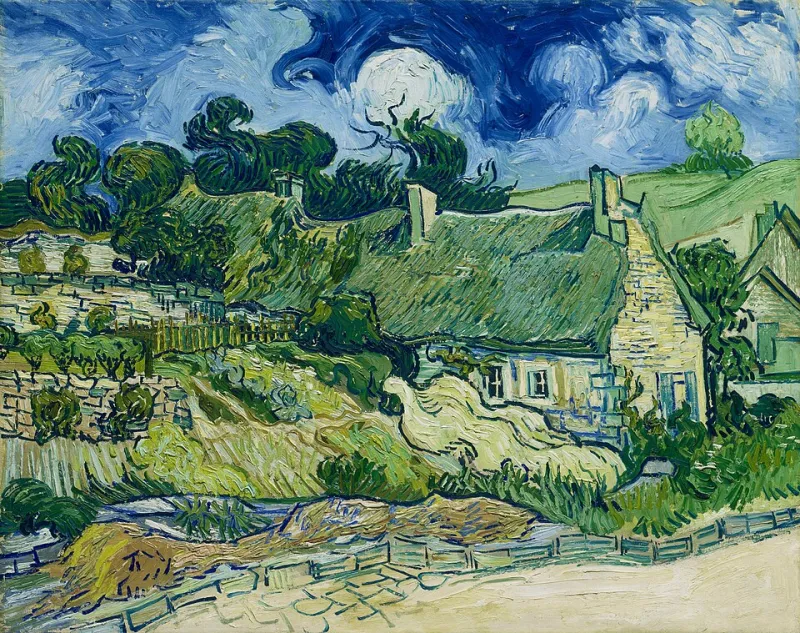
Photo: Vincent van Gogh, Public domain, via Wikimedia Commons
The romance is yours. The risk is theirs.
You stand in the kitchen of a seventeenth-century cottage, listen to the beams creak, and decide you could be happy here. The lender does not stand in the kitchen. The lender looks at a spreadsheet, a postcode, a roof, and a question: if this purchase went wrong, could we sell it, and for how much?
That is the mortgage valuation in one sentence. It is not a survey for you. It is a risk check for the bank. But on a character home, that check can decide whether the purchase happens at all.
What the valuer is actually there to do
A mortgage valuation is a short inspection with a narrow purpose. The valuer is not grading the charm of the inglenook or admiring the hand-thrown tiles. They are asking whether the property is suitable security for the loan, whether it is worth roughly what you have agreed to pay, and whether there are defects that would make it hard to sell.
That is why a cottage can feel like a bargain to you and a headache to a lender. You see a home with history. The valuer sees a property with a smaller buyer pool, a thicker maintenance file, and a roof that may need money spent on it sooner than the average suburban semi.
The character features that make valuations wobble
Some period features are simply part of the package. Others make lenders and insurers reach for the clipboard.
- Thatch. A thatched roof is beautiful and insurable, but the valuer will want to know its age, its condition, and whether it has a recent survey. Thatch is not a deal-breaker; an unknown thatch is.
- Listed status. Grade II or Grade II* changes what you can alter and how quickly. Lenders are comfortable with listed buildings, but they are not comfortable with unauthorised works.
- Non-standard construction. Cob, timber frame, stone rubble, or something inventive with concrete can narrow the lender pool. Some lenders simply do not lend on certain construction types.
- Damp and timber. A little damp in an old cottage is not unusual. A damp course that has been drilled into a solid wall without thought, or active beetle in the roof timbers, is a different conversation.
- Single glazing and heating. The valuer is not an energy assessor, but a cottage with no central heating and windows you can hear the wind through can affect both value and mortgageability.
- Access and parking. A dreamy lane with no passing place is charming on a Sunday. It is a resale problem on a Tuesday.
Listed buildings: the paperwork is part of the property
With a listed building, the building is not the only thing being assessed. The paper trail matters. If a previous owner put in a bathroom without listed building consent, or replaced windows with uPVC, that is not just an aesthetic disappointment. It can become your problem.
A valuer may ask for copies of listed building consent, building regulations completion certificates, and planning permissions. If works were done without consent, the lender may want an indemnity policy, or may simply take a dimmer view of the property. Neither is automatically fatal, but both need to be sorted before exchange, not after.
The features that quietly shrink the buyer pool
A character home does not need to appeal to everyone. It does need to appeal to enough people that a lender believes it could be sold. Low beams, narrow stairs, a bedroom you cannot stand up in, shared access, a kitchen that is really a cupboard with a hob: these are part of the charm, but they are also part of the resale story.
The valuer is not judging your taste. They are judging the market. If the property is unusual, the market is smaller. That does not mean the valuation will be low. It means the lender may look harder at the evidence.
Paperwork that turns a wobble into a shrug
You cannot remove the beams. You can arrive with a file.
Useful documents include a recent thatch survey, a timber and damp report from a specialist, electrical test certificates, boiler service records, an EPC, a flood risk assessment where relevant, and any listed building or planning consents. If the property has a private water supply or a septic tank, the valuer will want to know it works and is compliant.
This is where a good broker earns their fee. A broker who knows period property will know which lenders are relaxed about cob, which are nervous about thatch, and which will accept a retention rather than refuse the loan.
Retentions, conditions and the phrase subject to
Sometimes the lender says yes, but on conditions. They may retain part of the loan until work is done, or ask for a specialist report before releasing funds. A retention is not a rejection. It is the lender saying: we see the risk, and we want it managed.
That can still derail a purchase if you have stretched yourself to the limit. Always ask your broker what conditions are attached to the offer, and what they would mean for your cash flow after completion.
Insurance is a separate conversation
Mortgage lenders care about value. Insurers care about risk. A thatched roof, a listed building, a flood-prone lane, or a cottage with a wood burner and an elderly electrical system can all affect your premium. Before you fall in love, get an insurance quote. It is the cheapest reality check you will ever buy.
How to avoid the post-romance mortgage surprise
Start with the lender question before the second viewing. Ask the estate agent for the property's construction type, listed status, and any known damp or roof issues. Get a broker to check insurability and lending appetite early. Budget for specialist reports, not just the mortgage valuation. And remember that charm is not a valuation term. It is a lovely thing to live with, but the lender will always ask what happens if you have to sell.
The right cottage, with the right paperwork and the right lender, is perfectly mortgageable. The wrong cottage, bought in a hurry, is how people end up with a beautiful home and a very tense completion.