Before You Fall for the Beams: Ten Old-House Checks That Save You From a Money Pit
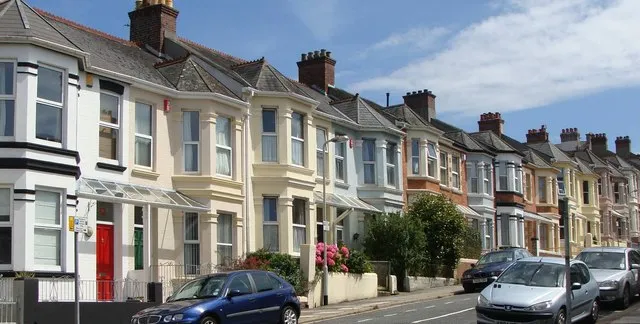
Photo: Ruth Sharville, CC BY-SA 2.0, via Wikimedia Commons
There is a moment, usually about ten minutes into a viewing, when the wonky floorboards stop being a quirk and start being a question mark. That is the moment to slow down. Period homes are brilliant at selling a dream: thick walls, deep windows, beams that have seen more history than your family tree. They are also brilliant at hiding expensive surprises behind lime plaster and a carefully placed rug.
In 2026, buyers are more price-sensitive than they were a couple of years ago, but character still pulls. The trick is to separate the quirks you will love from the defects that will own you. Here is a practical old-house once-over — not a substitute for proper professional advice, but a sensible way to brief it.
1. Commission the right survey, not the cheapest one
For a Victorian terrace, stone cottage or converted barn, a Level 2 HomeBuyer Report may not go far enough. A Level 3 Building Survey is usually the better starting point, and if the property is unusual, timber-framed, thatched or visibly tired, ask about a structural engineer and a damp-and-timber specialist. The cheapest survey is the one that misses the roof.
2. Treat damp as a symptom
Rising damp, penetrating damp and condensation are different problems with different fixes. Black mould in a corner is not automatically a failed damp course. Look for the source: blocked gutters, high ground levels, failed render, leaking pipes, poor ventilation. Be wary of a house that has been injected, tanked and painted without a diagnosis.
3. Check the timber properly
Crunchy skirting, springy floors and a musty smell are clues. Look in roof voids, under stairs and around bay windows. Woodworm is common and often historic; active infestation is another matter. Ask the surveyor to distinguish between old flight holes and fresh frass.
4. Look up at the roof and out at the rainwater goods
A roof can look charmingly weathered from the pavement and be quietly failing at the ridge. Check for slipped slates, lifted lead, crumbling mortar and blocked valleys. Then look at gutters and downpipes — overflowing rainwater is one of the most reliable routes to damp walls and rotten lintels.
5. Give chimneys a hard stare
Unused chimneys are not decorative extras. They need capped pots, ventilation and, if you plan to burn anything, a proper flue test and sweep. In a listed building, even a new woodburner can need consent. A chimney that leaks or pulls damp into the stack is a classic character-home headache.
6. Understand movement before you panic
Hairline cracks in old plaster are often just old plaster. Diagonal cracks, sticking doors and uneven floors may point to movement, but the cause matters: subsidence, roof spread, failed lintels or simple settlement. A structural engineer's report is worth more than a thousand anxious guesses.
7. Read the EPC without despair
An old solid-walled cottage will rarely score like a new-build flat, and that is not a reason to walk away. The EPC is a rough guide to running costs and a to-do list for fabric improvements: loft insulation, draught-proofing, heating controls, maybe secondary glazing. Be realistic. You cannot make a 200-year-old stone house airtight without causing other problems.
8. Check consents before you fall for a project
In a conservation area or listed building, consent rules can catch out the most well-meaning buyer. Replacement windows, external paint colours, satellite dishes, woodburners, internal alterations and even some garden structures may need approval. Ask the local authority conservation officer what has been approved before, and check the listing description.
9. Test the boring services
Old houses often have a charmingly mysterious relationship with drainage, electrics and heating. Ask when the boiler was last serviced, whether the wiring has been updated, and where the stopcock is. A CCTV drain survey is cheap compared with discovering a collapsed clay pipe under a new patio.
10. Budget for the quirks you want to keep
This is the bit people forget. If you want to keep the original sash windows, the flagstone floor and the lime plaster, you need a maintenance budget, not just a purchase budget. Set aside a contingency — 10 to 20 per cent of the purchase price is not mad for an older home — and prioritise watertightness, safety and heat before cosmetics.
None of this is designed to put you off. It is designed to put you in charge. A period property can be a joyful thing to own, but only when you have seen it with your eyes open. In 2026, the best bargains are not always the cheapest houses; they are the ones whose problems you have already priced.