Pretty Is Not a Plan: Seven Reality Checks for Village Life
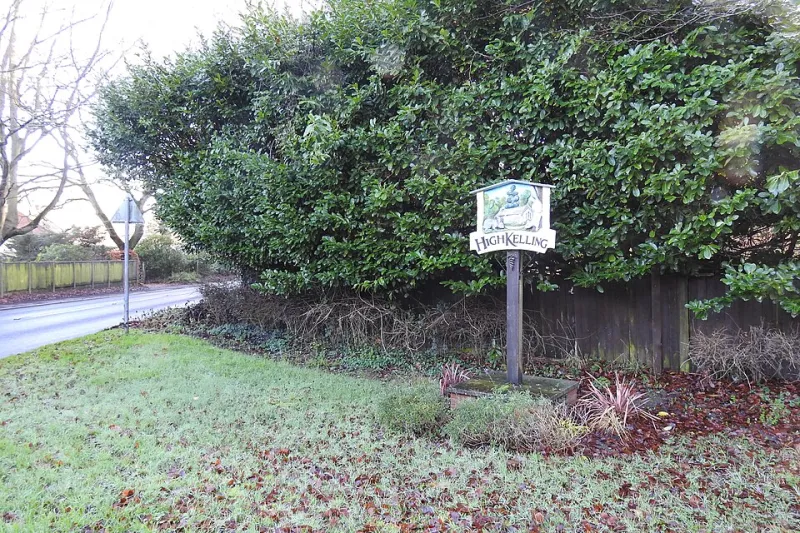
Photo: Adrian S Pye , CC BY-SA 2.0, via Wikimedia Commons
Pretty villages are easy to fall for. A green, a church tower, a ford, a pub with hanging baskets and a shop that sells local honey — it is the stuff of weekend breaks and property listings. But a weekend break and a working life are different products. When you buy or rent in a village, you are not just buying the view from the bedroom window; you are buying into the weekday reality. In 2026, the gap between a photogenic village and a workable one is the thing worth investigating.
This is not a scorecard to fill in from the car. It is a set of seven reality checks for anyone who loves character but needs a functioning neighbourhood. Pretty pasts are lovely. You are buying into a working future.
1. The shop sells dinner, not just tea towels
Start with the village shop, because it is the most honest bellwether. Does it sell bread, milk, tinned tomatoes and something you could make for supper, or is it mostly greetings cards and expensive chutney? Both can coexist, but the balance tells you who the shop is for. Ask about opening hours, the post office counter and whether the shop is community-owned. A village shop is not a museum piece; it is a daily convenience. If the shelves are light on actual food, ask where villagers shop on a wet Tuesday.
2. The pub has a weekday pulse
Sunday lunch is not the test; Tuesday night is. Does the pub open midweek, and does it have regulars who are not just visitors? Are there notices for clubs, quiz nights, parish meetings or a lost cat? A pub can be a community living room or a beautiful warning sign. If it is closed for most of the week, up for sale, or run purely for weekend trade, do not assume it will still be there in five years.
3. The bus is a timetable, not a rumour
Ask for the actual timetable, not the version in the estate agent's imagination. How often does the bus run? What is the last service? Does it connect to a station, a hospital, a secondary school or the nearest town with a proper supermarket? A demand-responsive minibus can be excellent; it can also be booked solid when you need it. Check the winter timetable, because village transport often looks better in June than it does in February.
4. The signal is not a rumour either
Broadband and mobile coverage are infrastructure, not lifestyle garnish. Check whether the property has full-fibre broadband, and ask for a speed test rather than a vague promise that broadband is available. Thick walls and old stone can be charming; they can also be unkind to mobile signal. If you work from home, test a video call from the room where you plan to work. If you do not, remember that a weak signal is still a daily annoyance.
5. The school run is a daily journey, not a brochure line
Being in catchment is not the same as getting a place. Ask the local authority about admissions, waiting lists and the school run. Is there a pre-school, a childminder or wrap-around care? Does the secondary school bus exist, and what time does it leave? A lovely village with no childcare and a forty-minute drive to nursery is a lovely village for someone else. This test matters even if you do not have children: schools and childcare are part of the infrastructure that keeps a village alive.
6. The water has somewhere to go
Flood resilience is the least romantic and most important test. Look at the Environment Agency flood map, but do not stop there. Ask about surface water, drains, brooks, cellars and the lane that turns into a stream. Ask neighbours about historic flooding, not just the seller or landlord. Check insurance quotes before you fall in love. A pretty brook is charming until it is in the kitchen.
7. Ordinary life happens on a Tuesday
Look for signs of a living community rather than a preserved one. Is there a noticeboard with current events, an allotment, a library, a church that does more than weddings, a sports club, a school, a bus that people use? Are there varied homes and year-round residents, or is the village increasingly a collection of holiday lets and second homes? A village where every cottage is a holiday let can feel lovely in July and eerie in January. Check the local plan, talk to people and ask what happens on a Tuesday morning in February.
None of this means rejecting character. It means using the charm as a starting point, not the whole argument. Visit midweek, in the rain, at school pick-up time. Talk to the person behind the shop counter and the dog walker on the green. Ask the questions that do not appear in the brochure. If the shop, pub, bus, signal, school, drainage and ordinary weekday life all hold up, you have found a place, not a postcard.