The Glass Half-Kept: A Sash Window Guide for Old-House Buyers
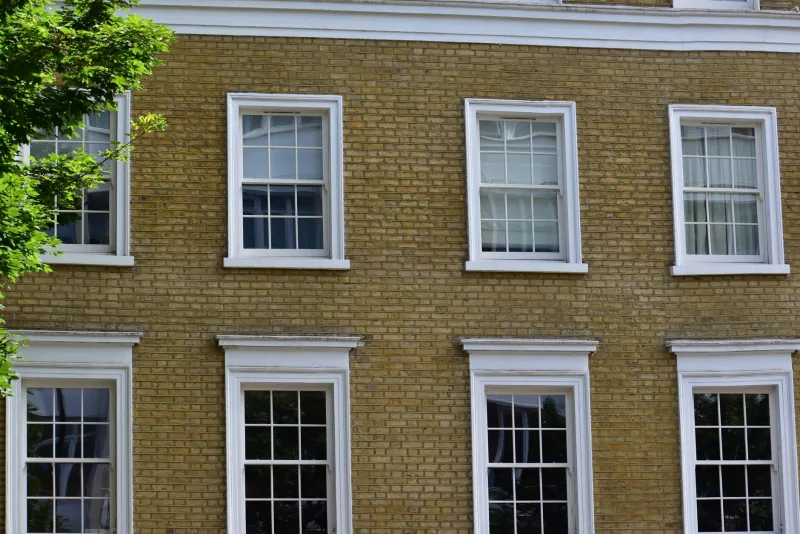
Sash windows are one of those features that sell a house in the photographs and then demand a decision in the survey. They are beautiful, they are draughty, and they are rarely as simple as “just replace them”. The answer depends less on taste than on paperwork, timber condition and how much draught you are prepared to tolerate in February.
At Barnaby & Jones, we have seen buyers fall for a Georgian façade and then discover that the windows are held together by paint, hope and one heroic screw. We have also seen perfectly sound original sashes ripped out for uPVC because nobody explained the alternatives. So here is the practical version, without the romantic fog.
First, find out what you are allowed to do
Before you ring a window company, check the house’s status. Is it listed? Is it in a conservation area? Is there an Article 4 direction removing permitted development rights? These questions matter more than the brochure.
For a listed building, altering the windows — including some secondary glazing — will normally need listed building consent. That is not the same as planning permission, and it is not a rubber stamp. The test is whether the work affects the building’s special architectural or historic interest. Original glass, slender glazing bars, sash proportions and panelling all count.
In a conservation area, the rules are more local. Many ordinary houses can replace windows under permitted development, but an Article 4 direction can remove that freedom, and some councils have strong local policies about uPVC and identical detailing. Always ask the local planning authority before you order anything. A quick email with photographs and a proposed specification is cheaper than a retrospective application.
The conservation officer is not a cartoon villain. Their job is to protect the thing you liked enough to buy. If you turn up with a reasonable plan — repair where possible, like-for-like where not, secondary glazing that can be removed — the conversation is usually more practical than buyers fear.
Repair is often the better story
Original sash windows were usually made from slow-grown timber that is far better quality than much modern softwood. A good joiner can splice in new sections, repair rotten cills, re-putty glass, replace cords, ease sticking sashes and fit discreet draught proofing. You keep the wavy old glass, the weighty brass catches and the character that replacement windows struggle to imitate.
Costs vary hugely by region and condition. As a rough guide, draught proofing a single sash might be £100–£250; a full overhaul with re-cording and minor joinery might be £300–£700 per window; heavier repairs or new sashes can push well beyond that. Compare that with a cheap replacement window and the sums can look tempting — until you price a like-for-like timber sash, which is often £900–£1,500 or more per window, and more again for double glazing.
Repair is not always sensible. If the frame is badly rotten, the sash is distorted beyond use, or a previous owner has already replaced half the window with something odd, replacement may be the honest answer. But “they are old” is not, by itself, a reason to rip them out.
Replacement: like-for-like, double-glazed, or uPVC?
If replacement is needed, the first question is what the house wants. A like-for-like timber sash keeps the proportions and detailing. A double-glazed timber sash can improve comfort, but the units need depth. Slim-profile double glazing can sometimes fit, but it may mean thicker glazing beads or altered bars, and that can be a problem in a listed building or a sensitive conservation area.
uPVC is usually the cheapest option and often the wrong one for a period house. It can look bulky, the glazing bars are frequently stuck-on rather than true, and the long-term repair story is often replacement rather than maintenance. In a conservation area with an Article 4 direction, it may also require permission. Even where it is allowed, it can undermine the very thing that made the house desirable.
Double glazing is not a magic comfort switch. It reduces heat loss and outside noise, but it will not fix poor loft insulation, suspended floors or a howling letterbox. It also changes how the window looks and how the house breathes. In old buildings, ventilation and condensation need thought, not just sealed units.
Secondary glazing: the compromise that often works
Secondary glazing is an extra internal window, usually aluminium or timber, fitted behind the existing sash. Good systems are discreet, removable and excellent at cutting draughts and traffic noise. They can be a sensible option where original glass must stay but comfort matters.
Expect roughly £300–£800 per window depending on specification and size. For listed buildings, consent may still be needed, and the conservation officer will want to know that the addition is reversible and does not obscure the original window’s detail. Cheap plastic film kits are not in the same category, though they can help for a winter.
The trade-off is access and sightlines. You need to be able to open and clean both windows, and some systems look clunky. But for many period homes, secondary glazing is the least damaging way to get a warmer room without losing the original joinery.
The energy maths buyers tend to miss
Windows are rarely the biggest source of heat loss in an old house. Roof, walls, floors and draughts generally matter more. Replacing every sash with top-spec double glazing can cost tens of thousands and take decades to pay back through energy bills alone. Draught proofing, loft insulation, thick curtains and sensible heating often deliver better comfort per pound.
That does not mean windows are irrelevant. Single glazing is cold, condensation-prone and noisy. But be honest about why you are doing the work: comfort, noise, appearance, planning requirements or EPC points. An EPC can be improved with secondary glazing and draught proofing, but do not let a rating strip the house of its character without a proper conversation.
What the conservation officer will probably say
They will ask for details: profiles, glazing bars, glass type, finish, samples, and whether the work is reversible. They will prefer repair to replacement, like-for-like to pastiche, and slim sections to chunky ones. They may accept discreet secondary glazing where it does not harm the interior. They will not usually be impressed by “the window company said it was fine”.
None of that is personal. It is the price of owning a building that is part of the street’s history. The trick is to ask early, propose sensibly and keep the original fabric where you can.
A buyer’s checklist before exchange
Check the listing status and conservation area boundary. Ask the seller for any consents or listed building consent for previous window work. Look at the windows in daylight, from inside and out: rot, cracked glass, painted-shut sashes, missing cords and mismatched replacements all tell a story. Get a joiner’s opinion, not just a window salesman’s. Budget for repair, draught proofing and secondary glazing as a package. And if the house is listed, put consent timescales into your calculations before you exchange contracts.
Sash windows are not an all-or-nothing test. Most period homes end up with a mixture: repaired originals at the front, secondary glazing where the road is noisy, maybe a discreet double-glazed timber sash at the back. The goal is not a museum piece or a sealed box. It is a house that keeps its character and keeps you warm enough to enjoy it.