The Street Has a Say: Conservation Area Rules for Old-House Buyers
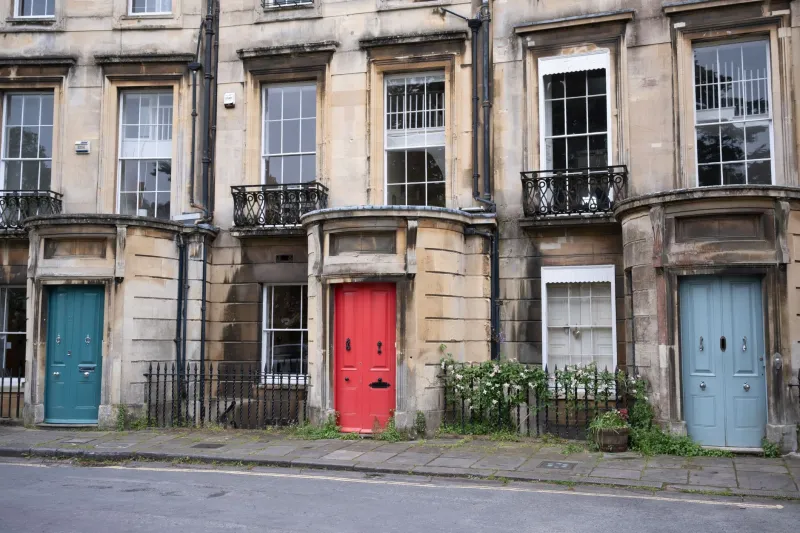
Buying a house in a conservation area can feel like falling for someone with a very involved family. The façade is lovely, the street is lovely, and then someone mentions the conservation officer. Suddenly the front door is not just a front door. It is a material consideration.
That is not a reason to walk away. Conservation areas exist to protect the things that made you look twice: the rhythm of sash windows, the mix of brick and render, the fact that every house has not been flattened into a grey box. But if you are buying in 2026, you need to know where charm ends and paperwork begins. The freehold may be yours. The elevation is a shared project.
What conservation area status actually changes
Designation is not a blanket preservation order. It is a planning designation used by local authorities to manage areas of special architectural or historic interest. In England, that brings extra controls over demolition, certain works to trees and some minor development that would normally fall under permitted development.
It does not mean every repair needs consent. It does mean you cannot assume the usual householder freedoms apply. National rules already narrow some permitted development rights in conservation areas, and a local Article 4 direction can remove more. That is the bit buyers tend to miss. The estate agent may mention the conservation area in passing. The council's paperwork is where the detail lives.
The Article 4 direction is the small print that matters
An Article 4 direction is local, specific and often deeply unglamorous. It can cover a whole conservation area or a single terrace. It usually means you need planning permission for works that would otherwise be permitted development: replacing windows, changing a front door, altering roofs, cladding walls, putting up a satellite dish, laying a hardstanding, sometimes even painting render or changing boundary walls.
Crucially, an Article 4 direction is not an automatic no. It is a request to apply. The conservation officer will look at the impact on character and appearance, and the answer may well be yes if the design is right. But the application, the drawings and the wait are real costs. If you are buying at the top of your budget, that matters.
Doors, windows and the paint-colour question
Paint colour is a classic source of confusion. Many councils publish design guidance recommending particular colours, and that guidance can be a material consideration in a planning decision. But guidance is not always law. An Article 4 direction or a planning condition is the harder line. Before you assume you can paint the door Farrow & Ball's boldest red, check which one applies.
Windows are usually the bigger issue. Like-for-like repair is nearly always the safest route: draught-proofing, re-puttying, replacing broken panes, overhauling sashes. Full replacement with uPVC in a Georgian or Victorian terrace is the kind of change that gets noticed. In a conservation area with an Article 4 direction, it may need permission. In a listed building, it may need listed building consent. The cheap quote can become the expensive mistake.
Front doors are similar. An original door is part of the street's character, and replacing it with a composite panel may be treated as an alteration rather than a repair. If the door is rotten, ask what can be repaired and what genuinely needs replacing. A joiner's bill may look painful until you compare it with an enforcement notice.
Solar panels, EV chargers and the green retrofit trap
Green upgrades are not automatically exempt. Roof-mounted solar panels can be permitted development in some circumstances, but conservation areas bring restrictions, particularly on roof slopes facing a highway or forming a principal elevation. Wall-mounted EV chargers can also need permission if they front the street or affect a historic wall. Satellite dishes are a familiar flashpoint for the same reason.
This does not make old houses incompatible with modern life. It makes them a case for checking first. A conservation officer is usually more open to a discreet panel or a well-sited charger than to a bargain-bin installation slapped onto the most visible wall. Ask before you buy the kit, not after.
Listed buildings are a separate conversation
A conservation area does not make a building listed. If the house is listed, listed building consent is a separate and often stricter regime. It can cover internal alterations as well as external ones, because the whole building is protected, not just the façade. Buying a listed house with unauthorised past works is a genuine red flag. Check the National Heritage List for England, ask the council about local heritage assets, and get advice early.
How to check before you offer
Start with the council's conservation area map and its conservation area appraisal or management plan. Then look for Article 4 directions and read the schedule, not just the headline. Check the planning history on the council portal for applications, consents and enforcement notices. Ask the seller for paperwork: planning permissions, listed building consents, building regulations completion certificates, warranties and any correspondence with the conservation officer.
A pre-application conversation with the duty planner or conservation officer can be worth more than another viewing. Tell your solicitor to raise conservation area status, Article 4 directions, tree preservation and any enforcement history in the local search and enquiries. And walk the street with your eyes open: replacement windows, rendered walls, cladding, dishes and paved front gardens are all clues about what has already been done.
The enforcement question
Planning enforcement is discretionary, not a switch that flips the moment someone paints a door. Unauthorised works can sit quietly for years, then surface when a neighbour complains or a sale begins. Generally, there are time limits for enforcement, but they vary by breach and listed buildings can be trickier. Do not buy on the basis that nothing has happened yet. Buy on the basis that you know what is authorised and what is not.
A conservation area is not a museum. It is a neighbourhood with rules, and the rules are there because enough people cared about the street to write them down. The buyers who do best are not the ones who ignore the paperwork. They are the ones who read it before falling for the door.