What the Brook Won't Tell You: Buying a Character Home by Water
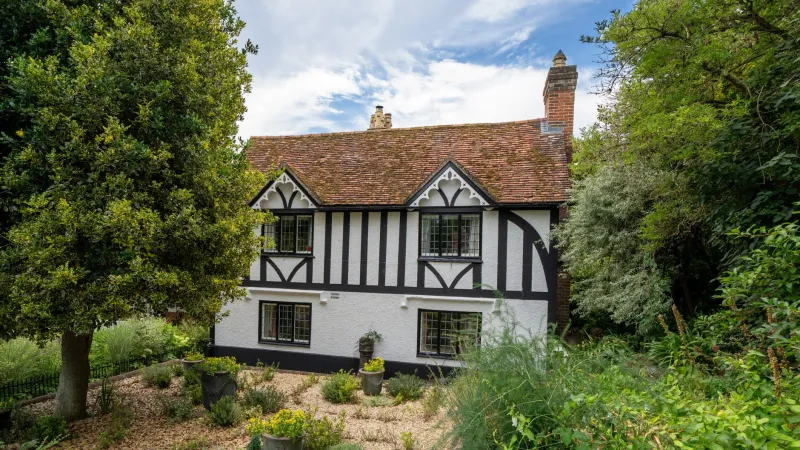
A brook at the bottom of the garden is a lovely thing. It catches the light, it brings the herons, and it makes a cottage feel as if it has been dropped into a painting. It is also the reason an insurer will ask you a question the estate agent probably did not: has this property ever flooded, and how close is the water really?
That is not a reason to walk away. It is a reason to do the reading before you fall for the view. The riverside premium is real, but it is not one number. Sometimes water adds genuine value to a characterful home. Sometimes it quietly adds thousands to the annual bill and makes a future sale harder than it needs to be. The difference is nearly always information.
First, separate the two kinds of flooding
Buyers often say 'flood risk' as if it were one thing. It is not. River flooding, sometimes called fluvial flooding, is what most people picture: a watercourse rising after sustained rain and spilling over its banks. Surface-water flooding, or pluvial flooding, is different. It happens when rain falls faster than drains, gullies and soakaways can take it away. It can affect a house nowhere near a river, and it can affect a riverside cottage too, especially where hard surfaces, raised road levels or old drainage have changed how water moves.
That distinction matters because the maps are different. The Environment Agency's flood map for planning shows river and sea flood zones. Its check-long-term-flood-risk service also brings in surface water and reservoir risk. A house can sit outside Flood Zone 3 and still have a real surface-water problem. A house beside a brook can be at low risk from the brook itself but vulnerable to a blocked culvert upstream. Read both, and read them as a starting point rather than a verdict.
Read the map like a buyer, not a daydreamer
The Environment Agency maps are useful, but they are broad-brush. They are not a property survey. Look at the flood zone, then ask what the map does not show: the ordinary watercourse that runs behind the garden, the culvert under the lane, the drainage ditch that the parish council clears every few years, the road that turns into a stream in a heavy downpour. The Lead Local Flood Authority is often the better call for surface water and ordinary watercourses. Neighbours are better still. Ask them where the water goes in a wet winter, and whether the brook has ever been over the garden path. People remember.
Also check the practical geography. Is the house on a slope, with the water below it? Is the garden level with the bank, or raised? Are there steps down to the stream, and do they look recently repaired? Is there a bridge, a weir, a sluice or a retaining wall on or near the boundary? These are not decorative details. They are the infrastructure that decides where water goes when there is too much of it.
The listed-building knot
If the house is listed, flood work gets more complicated. A removable flood barrier at the door might seem like a sensible purchase, but if it affects the character or fabric of a listed building, listed building consent may be needed. The same goes for changes to external walls, doorways, drainage and some garden structures. Talk to the conservation officer early. It is much cheaper than discovering the problem after the barrier has been delivered.
Materials matter as much as permissions. Old solid walls are designed to manage moisture, not to be sealed shut. Lime plaster, lime mortar and breathable paints let walls dry out. Cement render, modern tanking and injected damp-proofing can trap water and push the problem elsewhere. That does not mean a listed cottage cannot be made more flood-resilient. It means the work should be sympathetic: breathable finishes, raised sockets, removable barriers, sensible drainage, and a proper conversation about what the building can tolerate. Flood resilience is not the same as turning an old house into a sealed plastic box.
Get the insurance quote before the survey
This is the single most useful piece of advice in this piece. Buyers often instruct a survey, fall in love with the house, then discover the buildings insurance quote is eye-watering, excluded, or available only from a specialist broker. By then, the emotional cost of walking away feels much higher.
Get a quote early. Tell the insurer or broker the truth: the distance to the watercourse, any history of flooding you know about, the construction, the listed status, and whether the property has been altered. Ask specifically about flood cover, excesses and any conditions. Flood Re helps with some homes, but it is not a universal answer, and it does not cover every property or every circumstance. A thatched cottage, a listed farmhouse and a modern barn conversion will not all be treated the same. If the quote is frightening, treat that as part of the purchase price, not a nasty surprise for later.
Weigh the premium, not just the view
Water next door can add real value: a view, wildlife, a sense of space, perhaps a mooring or fishing right if you are lucky. It can also bring maintenance, riparian responsibilities and a resale conversation you would rather not have. If you own the bank or the bed of the stream, you may be a riparian owner, which comes with duties around flow and maintenance. Works to an ordinary watercourse may need consent from the Lead Local Flood Authority. Check the deeds and ask the solicitor, not the listing agent.
The honest test is annual cost, not just asking price. Add up the insurance, the maintenance, the flood-resilience work you would realistically do, and the discount a future buyer might demand. Then decide whether the brook is still worth it. Sometimes it absolutely is. A character home beside water can be a joy, and plenty of buyers happily pay for that joy. But the premium should be a choice, not an accident.
A sensible order of operations
Start with the Environment Agency's long-term flood risk service and flood map for planning. Then call the Lead Local Flood Authority about surface water and ordinary watercourses. Ask the neighbours what actually happens in winter. Get an insurance quote before you commission the survey. Brief the surveyor on the water question, and ask them to look at ground levels, drainage, wall bases and any signs of past repairs. If the house is listed, speak to the conservation officer before planning flood works. Then, and only then, decide what the view is worth.
A brook is not a deal-breaker. It is a term and condition. Read it properly, and you can enjoy the herons without being surprised by the bill.